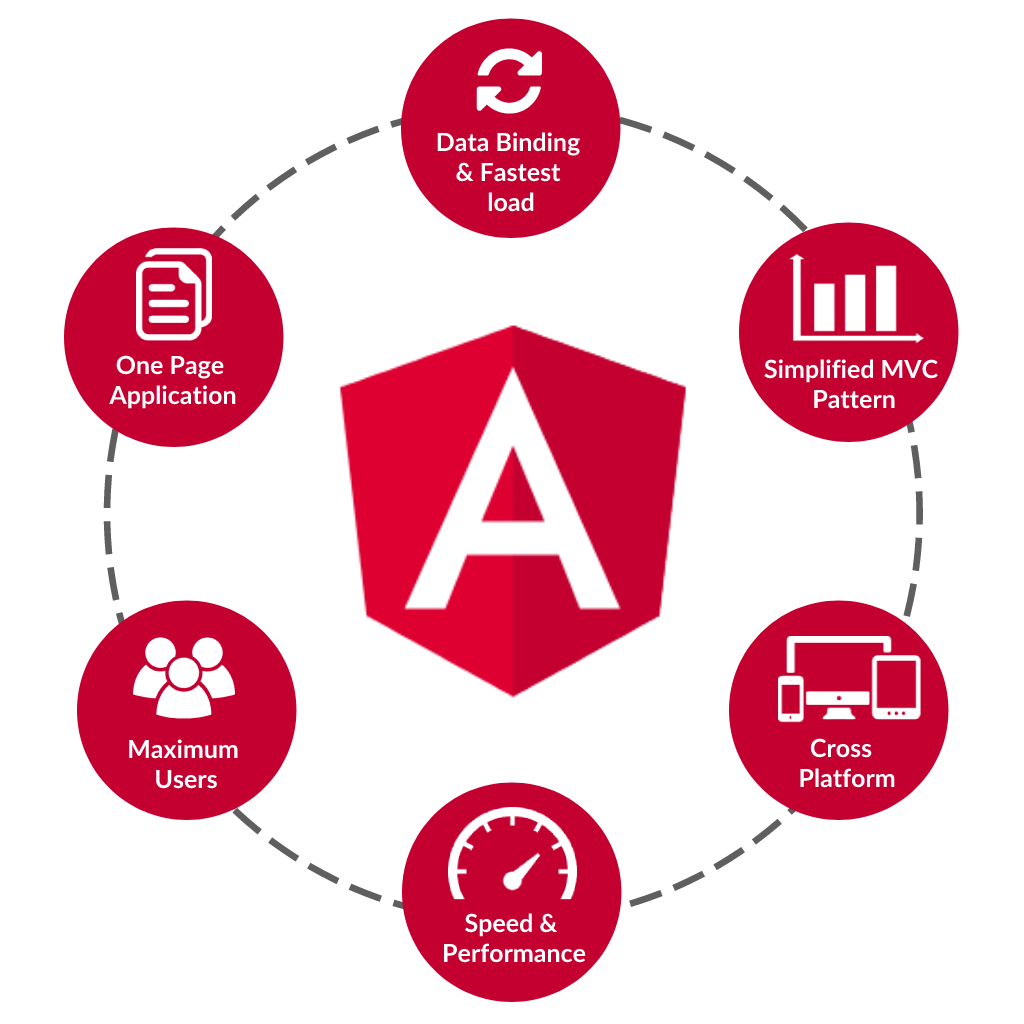
Getting Started with Angular: Your Guide to Building Dynamic Web Apps
Getting started with Angular can be an exciting journey for developers seeking to build dynamic web applications. Angular is a powerful framework that enables the creation of responsive and robust applications by utilizing components, services, and modules. To begin your Angular adventure, first, ensure you have Node.js installed on your machine, as it's essential for managing packages. Next, you can easily set up your development environment by using the Angular CLI (Command Line Interface). Just run the command npm install -g @angular/cli to install it globally and create your first Angular project with ng new my-app.
As you dive deeper into Angular, familiarize yourself with its core concepts that leverage a component-based architecture. This architecture allows you to break down your application into manageable pieces, or components, for better maintainability. Angular promotes the use of
- Data Binding: Synchronizes data between the model and the view.
- Dependency Injection: Enhances modularity and testing by providing necessary services to components.
- Routing: Manages navigation within the application efficiently.
Top 5 Tips for Building Your First Dynamic Web App with Angular
Building your first dynamic web app with Angular can be a rewarding experience, but it’s essential to approach it with the right strategies. Here are the top 5 tips to ensure your journey is smooth and effective:
- Understand the Framework: Before diving into coding, take the time to familiarize yourself with Angular's core concepts such as components, services, and modules. This foundational knowledge will make it easier to manage your app's structure.
- Utilize Angular CLI: The Angular Command Line Interface (CLI) is a powerful tool that streamlines the development process. It helps you generate components, services, and more, saving you valuable time and ensuring best practices.
- Adopt Reactive Programming: Angular encourages the use of Observables and reactive programming. This paradigm simplifies asynchronous data handling and promotes cleaner, more maintainable code.
- Implement Routing Properly: For a dynamic web app, seamless navigation is crucial. Make use of Angular Router to manage different views and enable a smooth user experience.
- Test Your Application: Don’t skip testing! Angular provides built-in testing utilities that make it easy to ensure your application works as intended. Regularly testing will help you catch bugs early in the development process.
Common Mistakes to Avoid When Learning Angular for Web Development
Learning Angular for web development can be a rewarding journey, but many newcomers make common mistakes that hinder their progress. One prevalent error is ignoring the importance of TypeScript. As Angular is built on TypeScript, neglecting its features can lead to unresolved errors, reduced code readability, and difficulties with debugging. Therefore, taking the time to learn TypeScript basics is essential as it allows developers to write more robust and effective Angular applications.
Another mistake to avoid is underestimating the power of Angular's CLI (Command Line Interface). New learners often avoid using CLI tools, opting instead for manual installation and setup. This oversight can lead to configuration issues and may cause developers to miss out on essential features that the Angular CLI provides. For a smoother learning experience, leverage the CLI to handle project scaffolding, development servers, and build optimization, allowing you to focus on writing high-quality code.